

Confirmed Appointments Without Losing High-Value Patients
Dental practices don’t struggle because of low demand.
They struggle because new patient enquiries are often lost before being booked.
- Calls go unanswered during peak hours
- Forms or messages sit unacknowledged
- Walk-ins are missed without structured follow-up
This system ensures every call, message, or form enquiry is captured, responded to, and converted into a confirmed appointment automatically.
Final Outcome
- After implementation:
- Every enquiry is captured
- Every lead receives instant response
- All patient information is tracked
- Follow-ups are automated and structured
- Appointments are consistently booked
- Your practice moves from missed opportunities to a predictable appointment flow.
How Dental Enquiries Work
Dental enquiries are:
- urgent (pain, treatment schedules)
- high-value (new patients = revenue)
- multi-channel (phone, form, chat)
- competitive (patients contact multiple clinics)
- follow-up consistency
Without instant and structured handling, leads are lost to competitors, often permanently.
Where Dental Businesses Lose Appointments
Critical points where revenue leaks:
- missed calls during busy hours
- delayed responses to appointment requests
- unclear or inconsistent follow-up
- no visibility into pending or confirmed appointments
Example Impact:
If 5–10 patient enquiries are lost per week at £80–£300 per appointment → £400–£3,000 lost weekly.
Objection Handling
“We already answer calls quickly”
Not every enquiry is handled consistently. This system guarantees every patient is acknowledged.
“Our bookings are simple”
True, but delays still cause lost patients. Automation removes friction entirely.
“We don’t have many enquiries”
Most revenue loss comes from missed responses, not lack of leads. This system ensures no patient is lost.
System Applied To Dental Practices
- Lead → enquiry via phone, form, or chat
- Response → instant acknowledgment via AI chatbot or voice system
- Qualification → collect patient details (treatment type, urgency, preferred time)
- Appointment → scheduling or confirmation sent automatically
- Revenue → booked appointment becomes confirmed revenue
Why Traditional Methods Fail
Most Dental Clinics Rely On:
- staff availability
- manual call handling
- email or form follow-up
These approaches fail because:
- calls and requests are missed during peak hours
- follow-up is inconsistent
- appointment scheduling depends on memory or manual tracking
Even hiring more staff does not solve this, because patient demand is unpredictable.
How The System Work

Capture Every Enquiry
All channels are logged automatically

Respond Immediately
Patients receive instant replies AI can answer FAQs about treatments, availability, and pricing

Collect Key Details
treatment type, urgency level, preferred schedule

Prioritize Urgent Cases
Urgent appointments flagged and handled first

Move to Booking
Automated scheduling moves the lead toward a confirmed appointment
Real-world Scenario
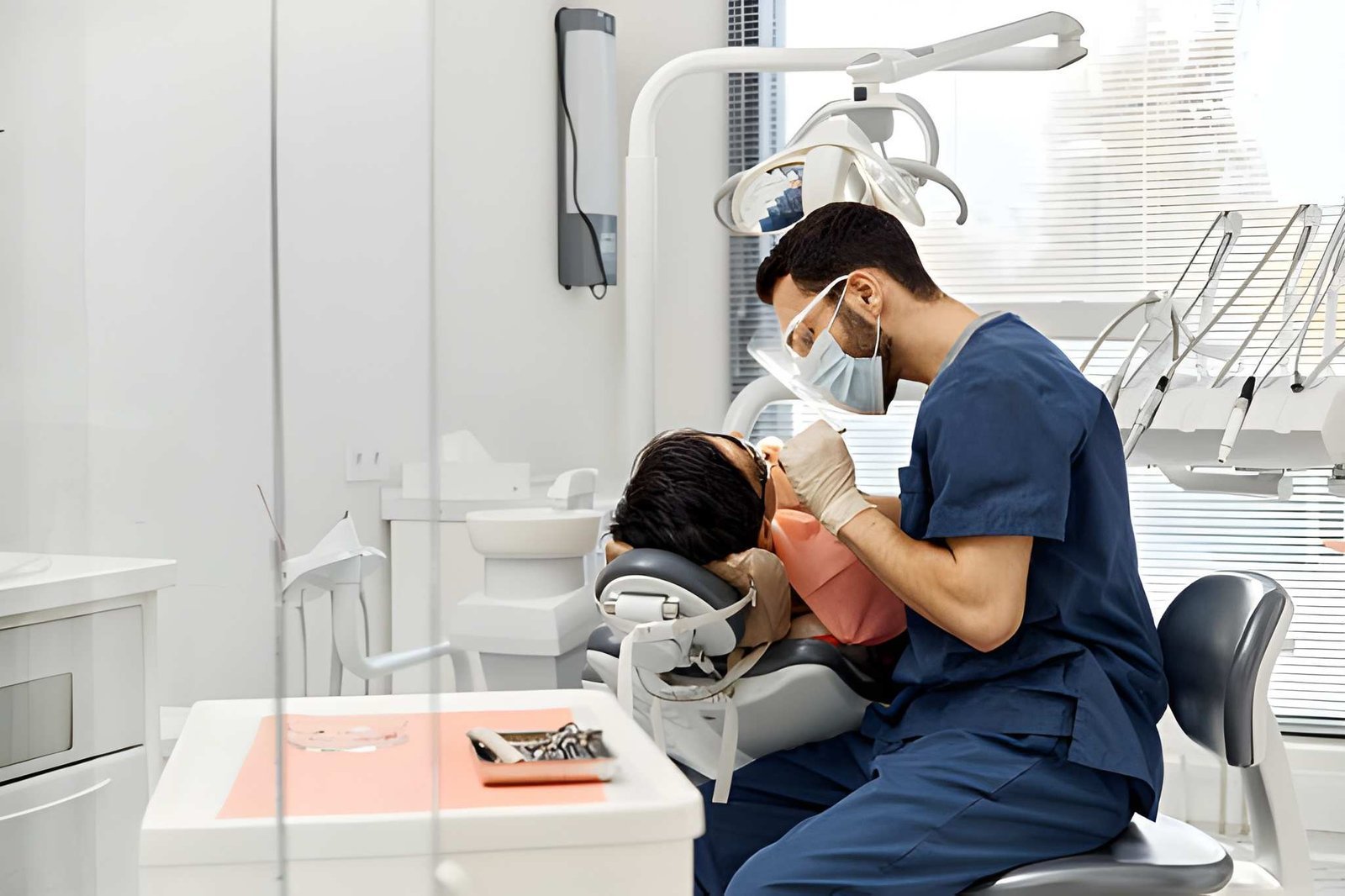
A patient requests a last-minute check-up online at 4:15 PM.
- Staff are busy handling other calls.
- No immediate response is sent.
- Patient contacts another clinic that responds instantly.
- Result: the appointment is booked elsewhere. Not because your clinic isn’t capable, but because the system wasn’t available.
Business Impact
- The system improves:
- response speed → instant instead of delayed
- missed enquiry recovery → near full coverage
- appointment capture rate → significantly higher
- pipeline visibility → all leads tracked
- consistency → no lost enquiries
This is not about getting more enquiries — it is about converting the ones you already receive.
System Components In Context
- Voice AI → handles missed calls and voicemails
- Chatbot → captures website and messaging enquiries
- CRM → tracks all patient information, requests, and follow-ups
- Workflow Automation → ensures reminders, confirmations, and follow-up communication
- All components work together as a single, cohesive system.
Find Where Your System Is Breaking
a short audit, we identify: where enquiries are lost. where response fails. where follow-up breaks. where revenue is leaking